If My Dog Was Nervous of New People and Boarding Was Coming Up, Here’s Where I’d Start
Boarding a nervous dog can feel heavy. You love them. You know they’re sensitive. And now you’re about to hand them over to someone new, in a new environment, with new sounds and routines. This isn’t the time to cross your fingers and hope for the best.
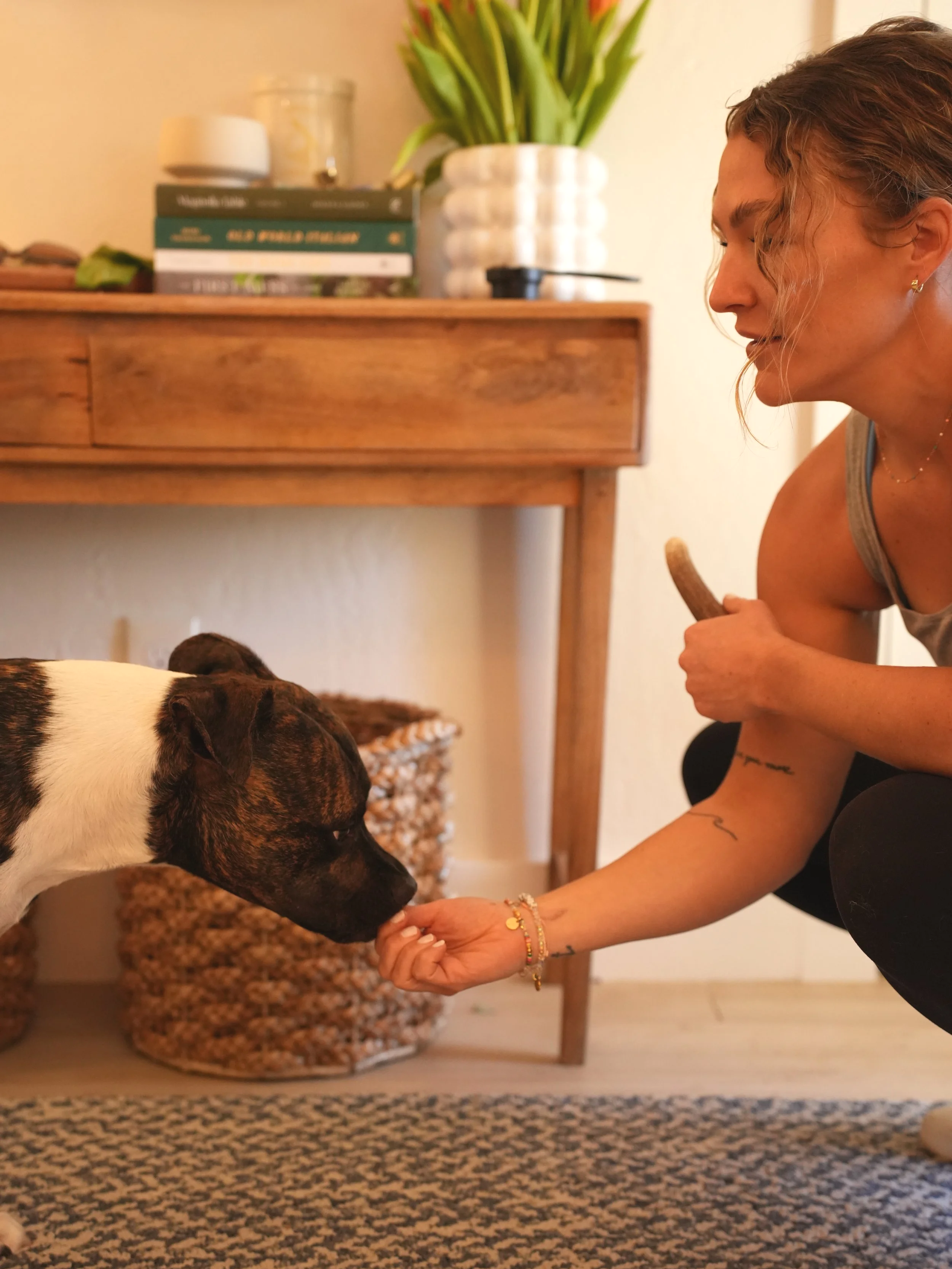
If I had a dog who was nervous around new people and boarding was coming up, I’d start by getting very honest about their baseline.
Are they mildly unsure but able to settle? Or are they escalating into growling, snapping, or intense avoidance? Those are very different starting points. If there’s aggression or strong defensive behavior involved, I wouldn’t wing it. I’d connect with a trainer and prep for this one-on-one. Boarding is not the place to “see how it goes.”
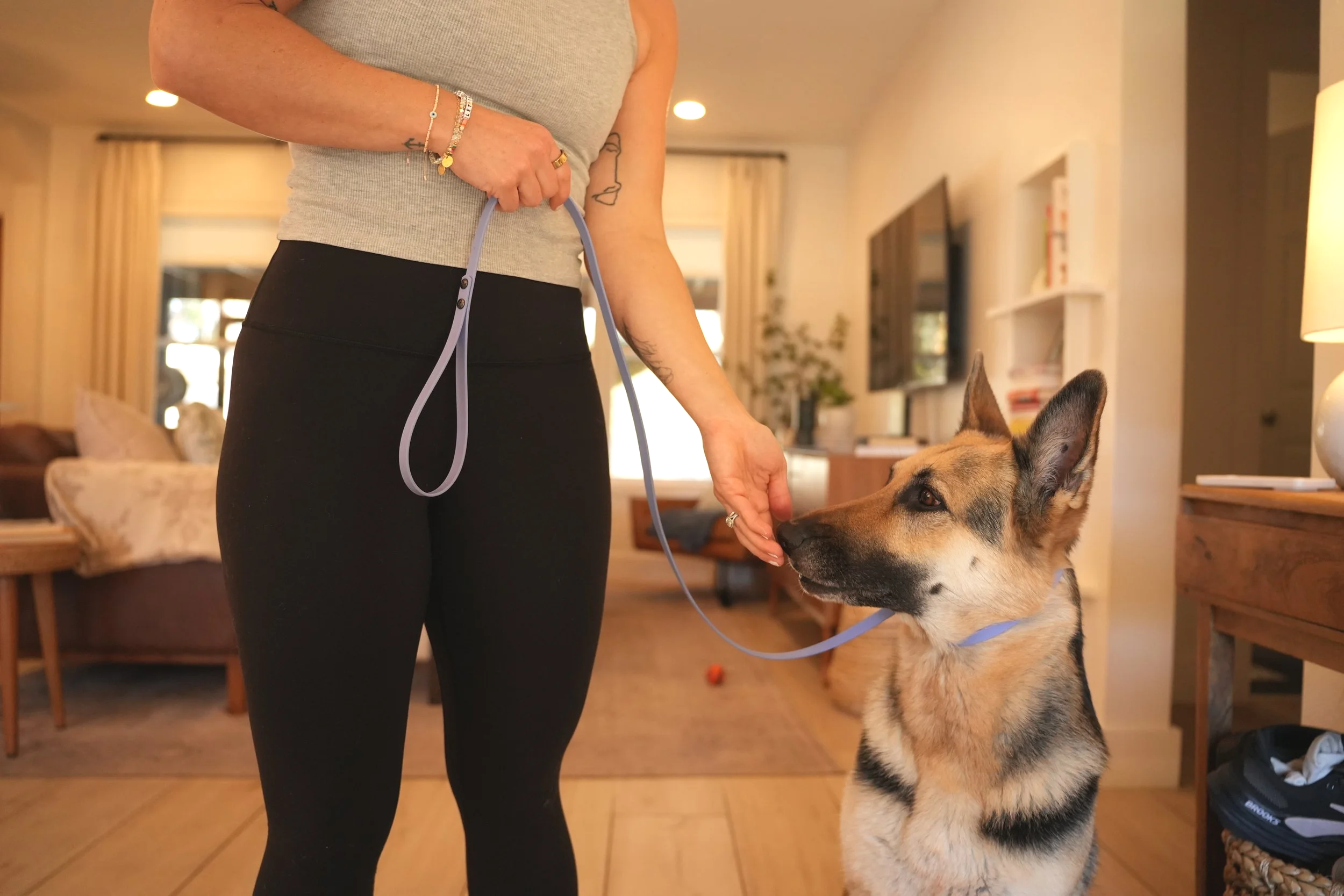
Next, I’d shift my focus from
friendliness to neutrality.
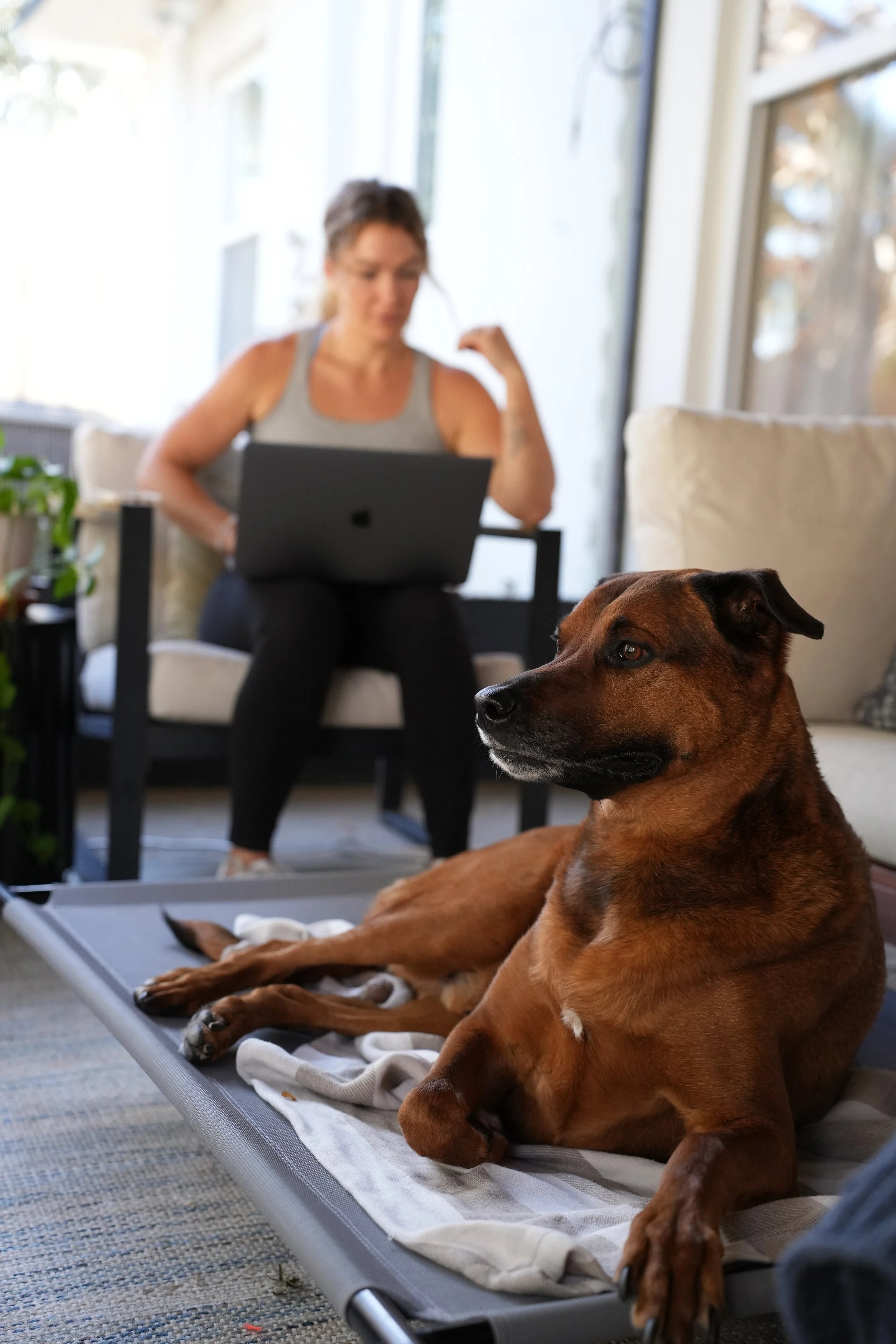
I don’t need my dog to love the staff. I need them to coexist calmly. That means practicing being around new people without pressure to interact. And just as importantly, I’d give the humans guidance. No looming. No high-pitched baby talk. No forced petting. Calm, neutral, predictable energy makes nervous dogs feel safer.
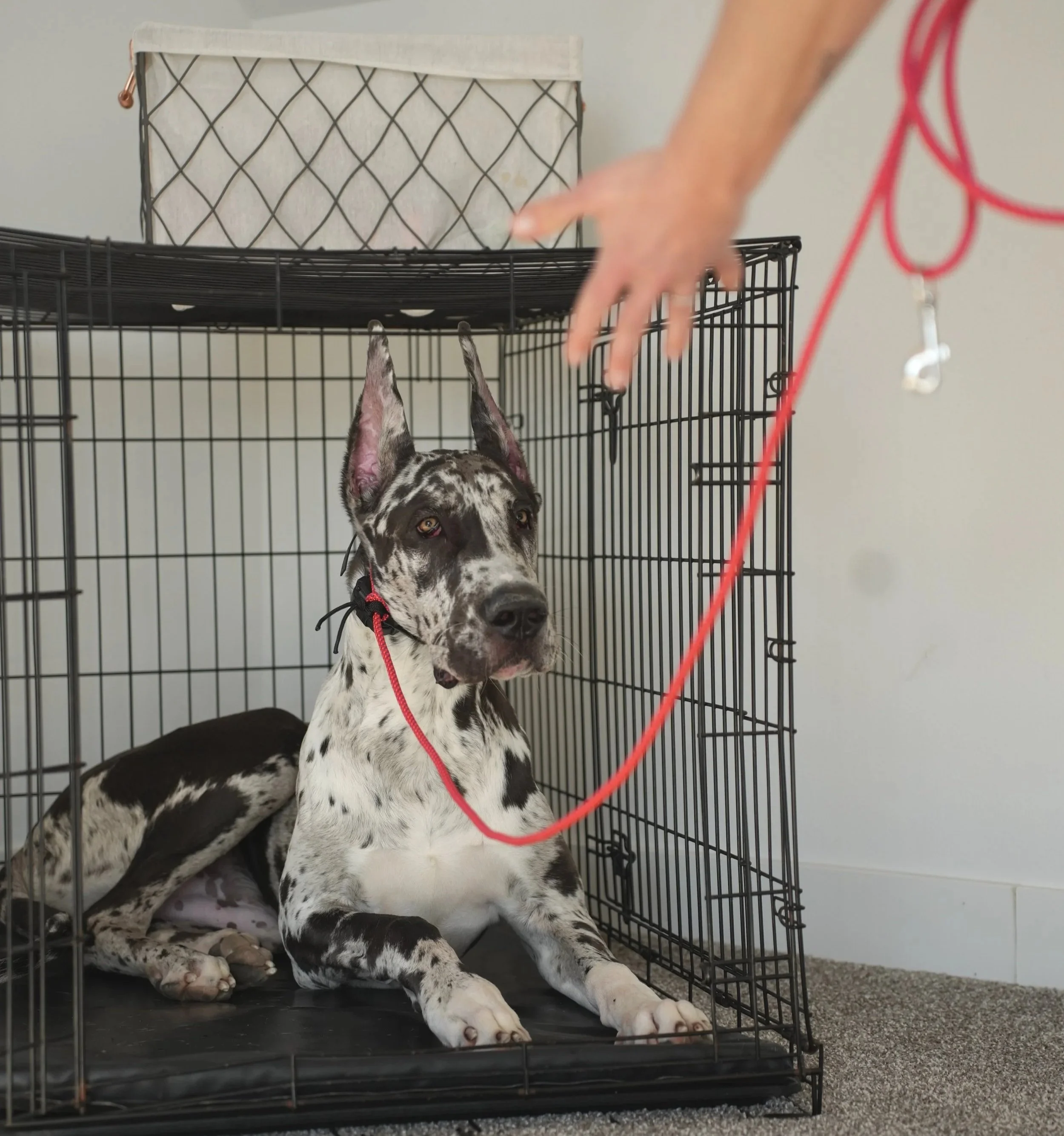
Crate confidence would be high on my list too
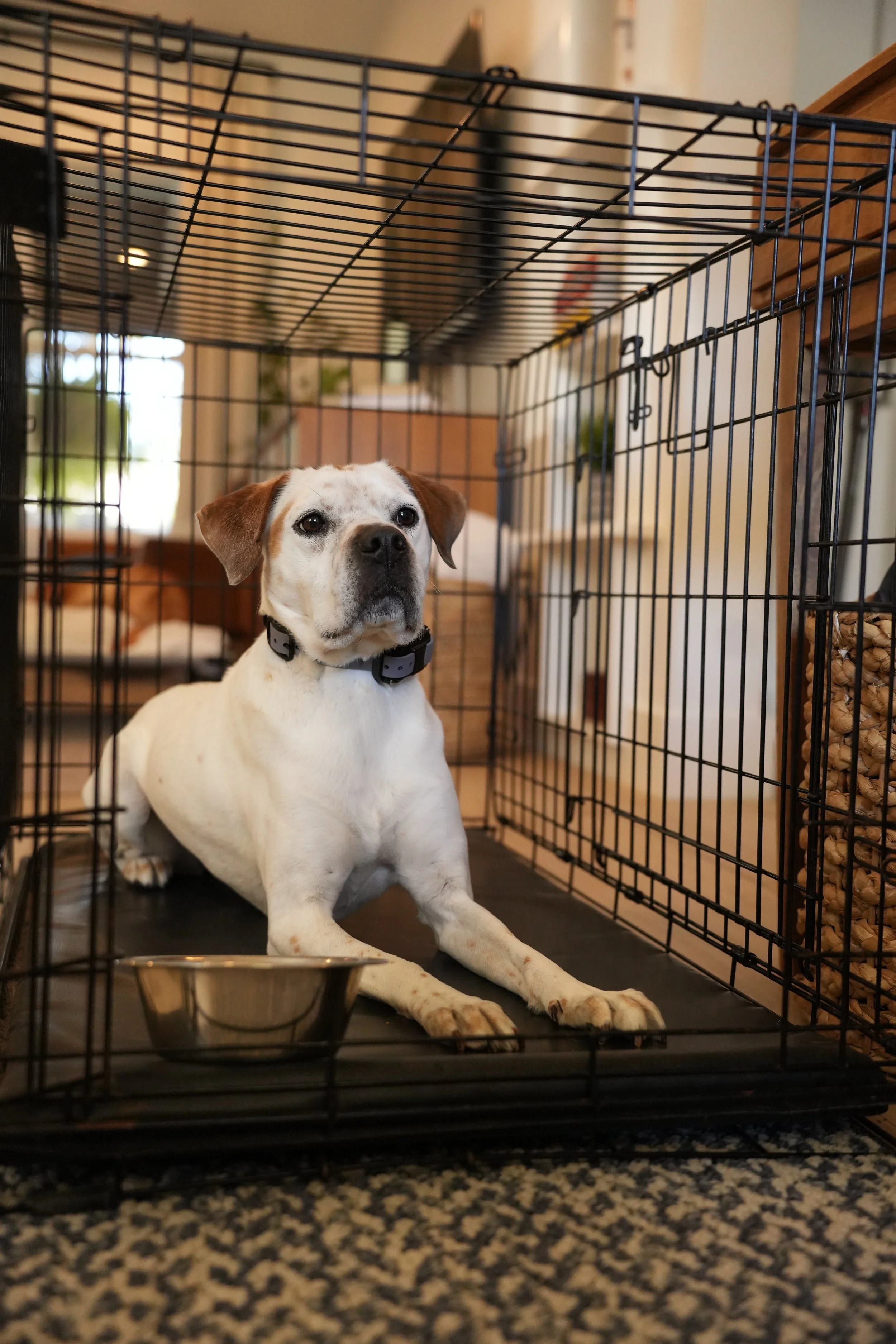
Boarding involves transitions, movement, and people opening and closing kennel doors. I’d make sure my dog can rest in a crate while there’s activity around them. I’d also practice putting a slip leash onto them while they’re inside their kennel so that action doesn’t feel foreign if the boarder does it. The more familiar these small mechanics are, the less stress during drop-off.
Hand-offs matter
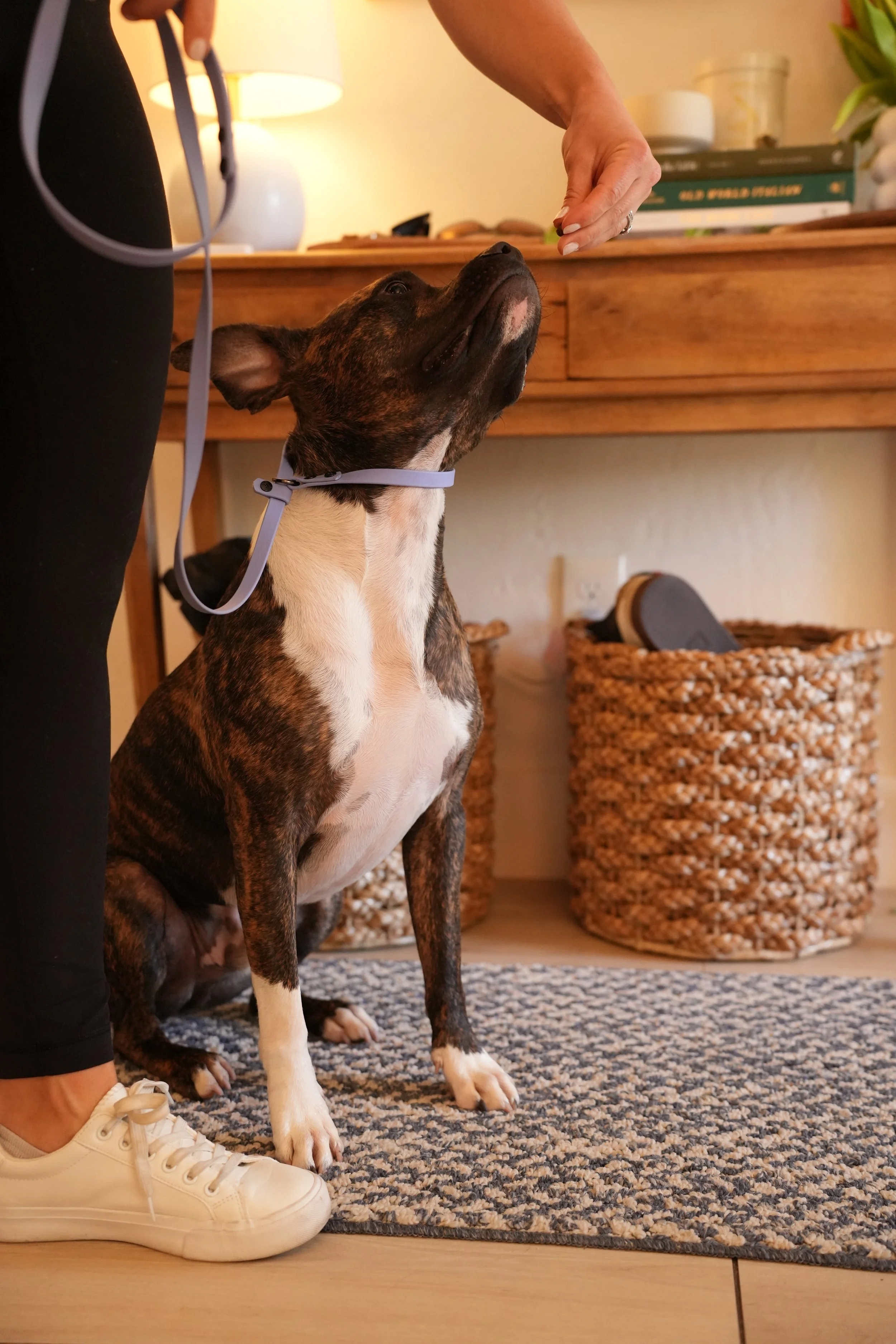
I’d practice short, clean leash transfers with trusted people. No dramatic goodbyes. No emotional energy. Just someone else taking the leash and calmly moving forward. Dogs read our tone. If we treat it like a big deal, it becomes a big deal. LIKE THIS!
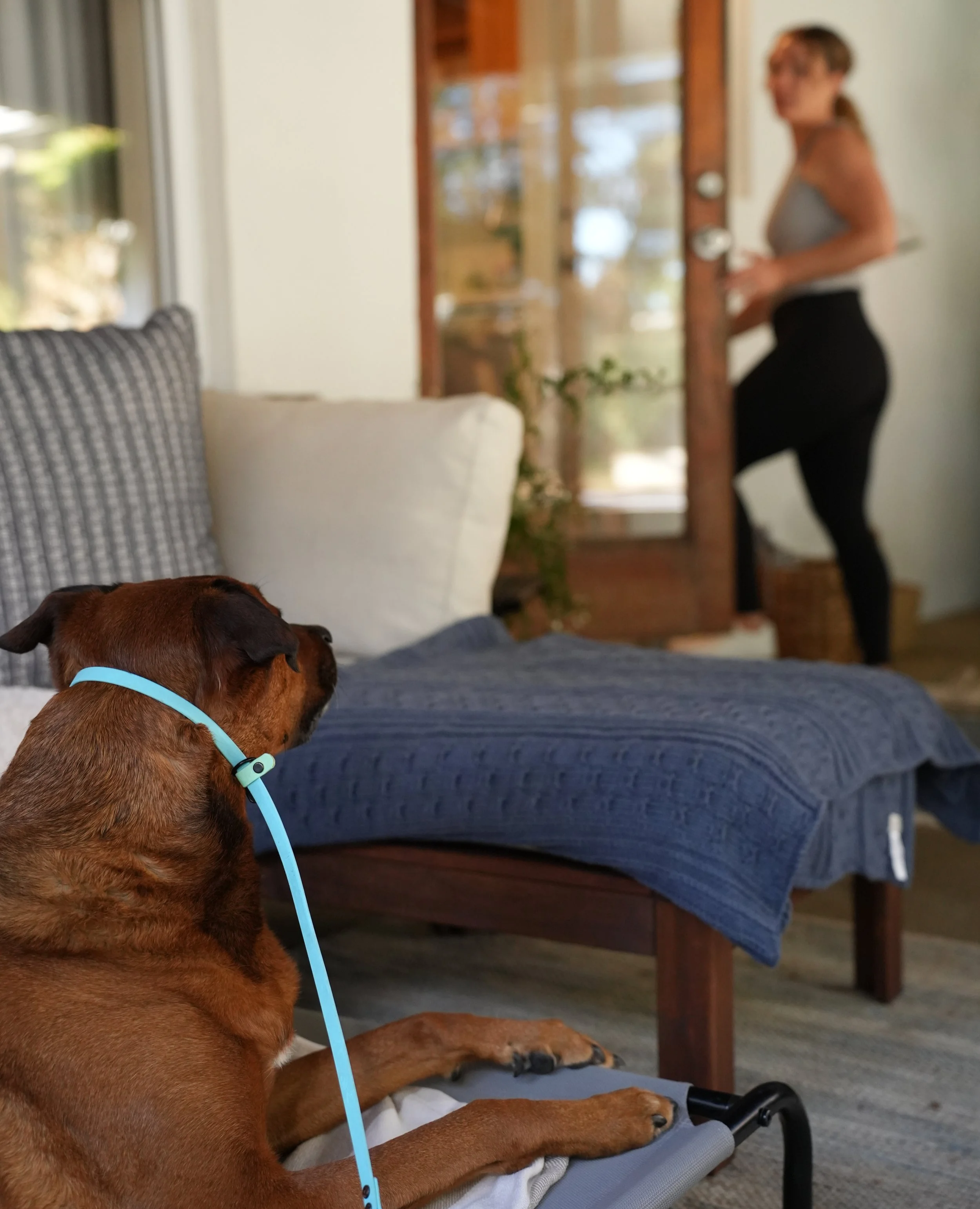
Separation skills are equally important
If my dog struggles when I leave the room at home, boarding is going to feel huge. I’d work on building comfort with alone time before expecting them to handle a full stay away from me. “You leave, you come back” needs to feel predictable long before a boarding stay.
Advocating clearly is part of responsible ownership. If my dog needs slow introductions, space from other dogs, or specific handling instructions, I’d communicate that upfront. Professional boarders appreciate transparency. It makes their job safer and smoother, and ultimately makes your dog’s stay better.
I’d also try to keep my own energy balanced. I know that’s easier said than done sometimes. But if I’m tense and emotional at drop-off, my dog will feel it. Calm, matter-of-fact transitions go a long way. This is a skill-building moment, not a goodbye forever. And finally, I’d remember this: nervousness is not a personality flaw. With steady exposure, clear guidance, and intentional preparation, most dogs can absolutely improve their comfort around new people. Boarding doesn’t have to be traumatic. But preparation makes all the difference.
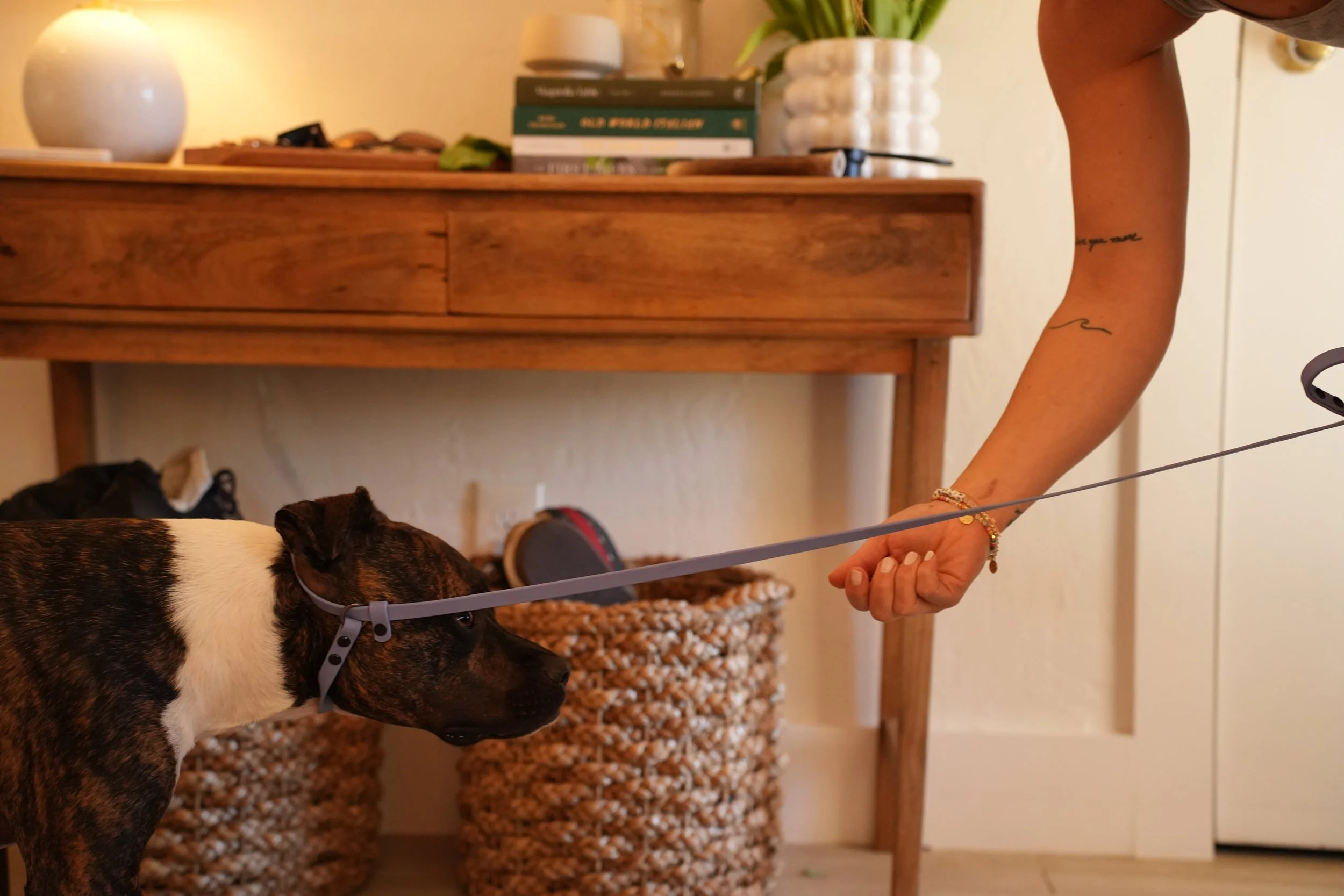
One more practical thing I would absolutely prioritize? Slip lead pressure.
For pass-offs especially, I prefer a slip lead. It’s clean, secure, and doesn’t allow a nervous dog to back out of a collar if they get intense. Practicing that pressure ahead of time makes transitions safer for everyone involved.
Bonus: Make Your Life + Your Boarder’s Life Easier by Being Prepared
Boarding prep isn’t just about behavior. It’s about logistics too.
Here are a few things that make a massive difference:
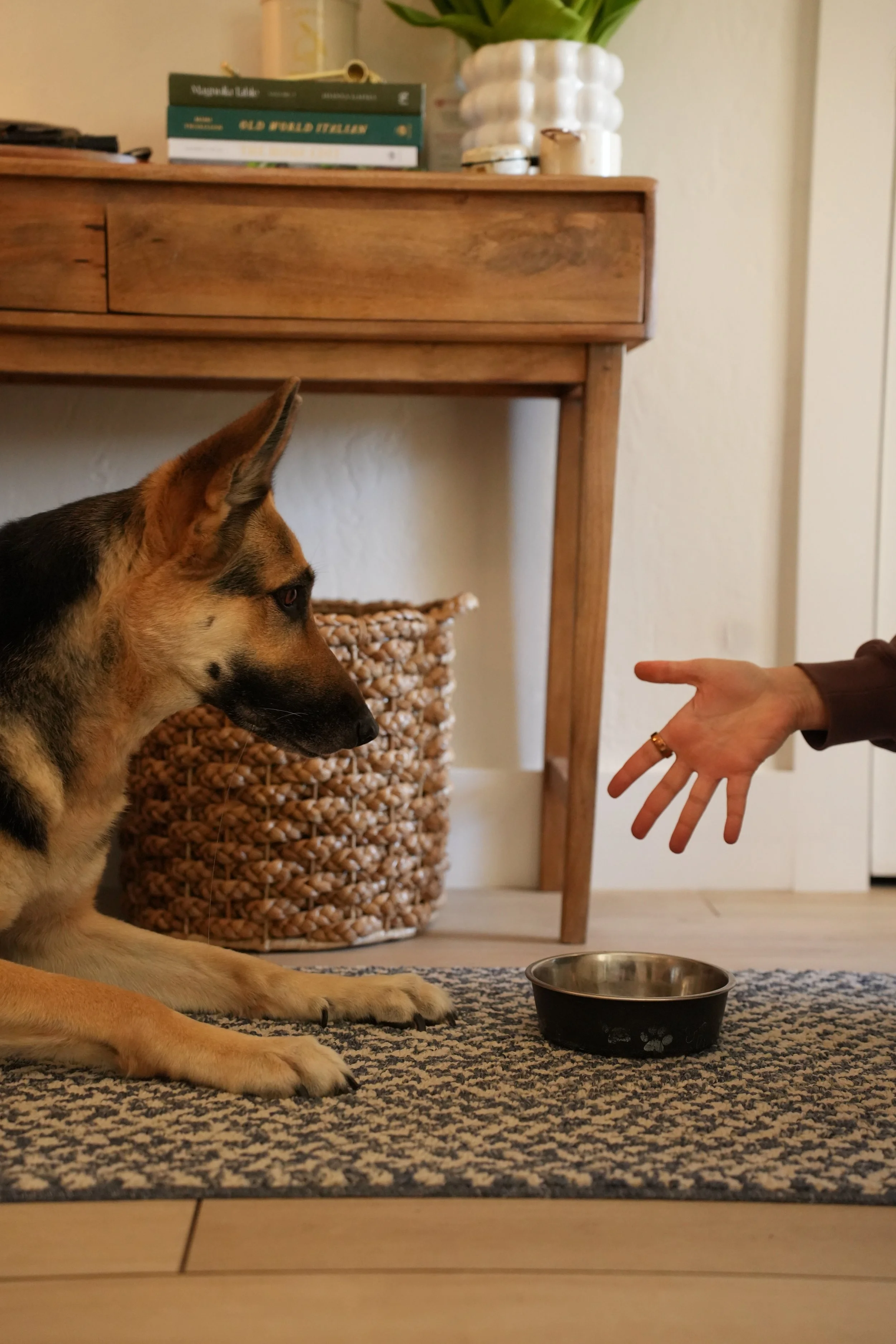
Get your dog on an eating schedule (no free feeding).
Offer food for 15–20 minutes. If they don’t eat, pick it up and offer it again at the next scheduled meal. This increases the likelihood that they’ll eat consistently and normally in a new environment.Be proactive about vet requirements.
Don’t wait until the week before to scramble for fecal tests, vaccines or paperwork. Handle it early and reduce stress for everyone.Pack your dog’s things clearly and concisely.
Label food. Pre-portion if needed. Write clear instructions. The clearer things are for your dog’s caretaker, the better it is for your dog.If they don’t tell you how to prepare, ask.
A good boarder will happily explain how to make the transition smoother. Advocate for clarity.
When you prepare well, your dog walks into boarding with more confidence, and you drop them off knowing you did your part.
Boarding doesn’t have to feel like a gamble. With the right preparation, clear communication, and a little intentional practice, most nervous dogs can absolutely handle it in a way that feels safe and manageable. And if you’re reading this thinking, “Okay…but I’m not sure where to start with my dog,” you don’t have to figure it out alone.
If you need more help preparing your dog for boarding, or navigating the behavior pieces that feel bigger than you expected, book a virtual session with me. We’ll discuss your dog, your situation, and build a plan that actually fits your life. Preparation is powerful. And you’re more capable than you think. 🖤
Hope this helps!
Kait
Want more dog training support? Check out out YouTube!